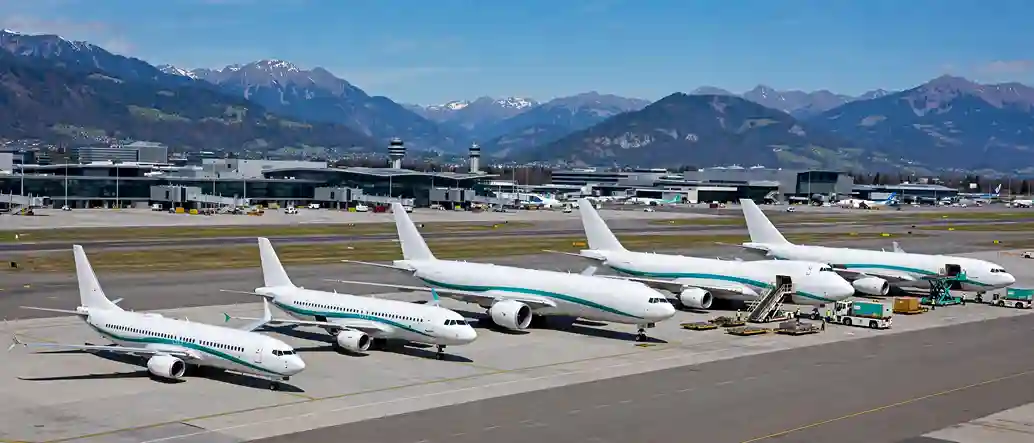
Flexible aircraft leasing for seasonal demand, fleet expansion, and urgent capacity requirements across Asia, Middle East, and Africa. Aircraft, crew, maintenance, and insurance — supplied under a single wet lease structure.
By the Skylinks Asia Charter Desk · Reviewed by our Operations Team
ACMI (Aircraft, Crew, Maintenance, Insurance) — also called wet lease — is the structure of choice when an airline needs to add capacity quickly without the long-term commitment and regulatory overhead of aircraft acquisition. The lessor supplies the aircraft, flight and cabin crew, maintenance, and insurance; the lessee covers fuel, airport fees, and other operating costs, and flies the aircraft on their own schedule.
It sits at the full-service end of a leasing spectrum that also includes damp lease and dry lease, and is the standard answer to seasonal demand spikes, AOG recovery, route testing, and urgent freighter capacity.
ACMI puts an aircraft, its flight and cabin crew, maintenance, and insurance under the lessee's schedule, while the lessee covers fuel, airport fees, and other operating costs. It sits at the "full-service" end of a leasing spectrum that also includes damp lease (lessee supplies cabin crew) and dry lease (lessee supplies everything except the aircraft itself, operating it on their own AOC).
ACMI terms typically run from a single flight up to around 18 months — far shorter than a dry lease, which usually runs 6 to 12 years — making it the go-to structure for seasonal capacity, route testing, and sudden operational gaps.
"ACMI" and "wet lease" get used almost interchangeably, but the leasing world runs along a spectrum of how much the lessor provides versus the lessee.
| Lease Type | Lessor Provides | Lessee Provides | Typical Duration | Whose AOC |
|---|---|---|---|---|
| ACMI / Wet Lease | Aircraft, flight crew, cabin crew, maintenance, insurance | Fuel, airport fees, operating costs | Single flight to ~18 months | Lessor's |
| Damp Lease | Aircraft, flight crew, maintenance, insurance | Cabin crew, fuel, airport fees | Weeks to months | Lessor's |
| Dry Lease | Aircraft only | Crew, maintenance, insurance, all operating costs | 6–12 years | Lessee's |
Lessor: Aircraft, flight crew, cabin crew, maintenance, insurance
Lessee: Fuel, airport fees, operating costs
Duration: Single flight to ~18 months
AOC: Lessor's
Lessor: Aircraft, flight crew, maintenance, insurance
Lessee: Cabin crew, fuel, airport fees
Duration: Weeks to months
AOC: Lessor's
Lessor: Aircraft only
Lessee: Crew, maintenance, insurance, all operating costs
Duration: 6–12 years
AOC: Lessee's
Wet and damp leases operate under the lessor's Air Operator's Certificate (AOC), which is what lets an airline add capacity almost immediately without regulatory delay. A dry lease requires the lessee to operate the aircraft on its own AOC, which takes considerably longer to arrange — a large part of why ACMI is the structure of choice when speed matters more than long-term cost efficiency.
Five scenarios where ACMI wet leasing is the right operational answer.
Quickly add capacity during peak seasons without long-term fleet commitments — a classic example being airlines adding widebody capacity for the Hajj and Umrah pilgrimage season, when demand spikes sharply for a defined window.
When one of your own aircraft is grounded (AOG) or a maintenance event disrupts your schedule, an ACMI lease can plug the gap almost immediately, keeping your network running while the underlying issue is resolved.
Address sudden operational needs or unexpected demand spikes without the lead time a new aircraft purchase or dry lease would require. ACMI can often be arranged within days, depending on aircraft availability.
Launch new routes with minimal risk before committing to aircraft acquisition — if the route doesn't perform, you're not left holding a long-term asset. ACMI lets you prove demand before you commit capital.
ACMI isn't limited to passenger operations — freighter ACMI is a common way for cargo operators to add capacity during peak e-commerce or seasonal shipping demand without acquiring aircraft outright.
Our ACMI vs. Dry Lease breakdown covers the cost, regulatory, and operational trade-offs in detail.
Read the BreakdownOur ACMI seasonal demand guide covers block-hour planning, aircraft availability windows, and contract structures for peak periods like Hajj, Umrah, and year-end cargo surges.
VIEW SEASONAL DEMAND GUIDETell us about your capacity requirements — aircraft type, lease duration, and route — and our operations team will respond within 2 hours with available aircraft and indicative block-hour pricing.
Our aviation leasing desk handles ACMI wet lease, damp lease, and dry lease enquiries through our secure contact form. Include your aircraft type, preferred lease duration, base airport, and route profile. We typically respond within 2 hours, 24/7.
Your information is treated as confidential.
Our cargo aircraft charter guide covers how freighter sourcing works across Asia, Middle East, and Africa — including ACMI freighter structures, block-hour pricing, and aircraft selection by trade lane.
VIEW CARGO AIRCRAFT CHARTER GUIDEACMI stands for Aircraft, Crew, Maintenance, and Insurance — the four elements the lessor provides under this arrangement, while the lessee covers fuel, airport fees, and other direct operating costs. It's also commonly called a wet lease.
Under ACMI, the lessor provides the aircraft, crew, maintenance, and insurance, and the aircraft operates on the lessor's Air Operator's Certificate. Under a dry lease, the lessor provides only the aircraft, and the lessee operates it on its own AOC, supplying crew, maintenance, and insurance themselves.
ACMI leases are generally short-term, ranging from a single flight up to around 18 months, making them suited to seasonal demand, route testing, or covering a temporary capacity gap. Dry leases, by comparison, typically run 6 to 12 years.
A damp lease sits between wet and dry: the lessor provides the aircraft, flight crew, maintenance, and insurance, but the lessee supplies its own cabin crew — often chosen by larger airlines that want more control over the in-flight passenger experience and brand consistency.
Airlines facing seasonal demand spikes, unexpected aircraft groundings (AOG), new route launches, or short-term capacity shortfalls are the most common users, alongside cargo operators needing additional freighter capacity during peak shipping periods.
No. One of the main advantages of ACMI over a dry lease is that the aircraft continues operating under the lessor's AOC, letting the lessee add capacity without the time and regulatory process a new AOC would require.
Yes. Freighter ACMI is a common way for cargo operators to add capacity during peak demand periods, such as e-commerce shipping seasons, without the cost and commitment of acquiring additional aircraft.
Because the aircraft operates under the lessor's existing AOC rather than requiring new certification, ACMI arrangements can typically be put in place considerably faster than a dry lease — often within days for genuinely urgent capacity needs, depending on aircraft availability.